New Delhi: India’s history has been defined not only by its rich culture and civilization but also by its enduring struggle to protect its sovereignty. The country’s vast and diverse borders—stretching from the icy heights of the Himalayas to the deserts of Rajasthan and the jungles of the Northeast—have witnessed some of the toughest battles in modern military history. These conflicts tested the courage, resilience, and strategic acumen of the Indian armed forces and shaped the nation’s defense policies for generations.
1. The Battle of Longewala (1971 Indo-Pak War)
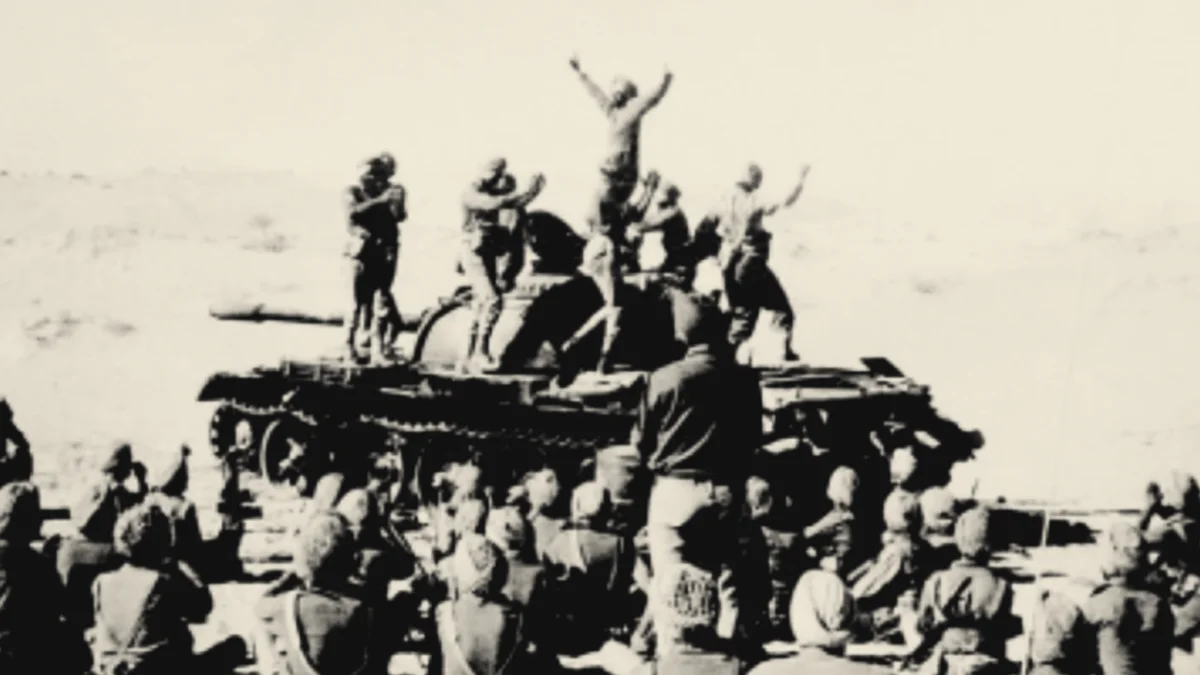
One of the most celebrated feats of courage in Indian military history is the Battle of Longewala, fought in December 1971 in Rajasthan’s Thar Desert. A small contingent of Indian Army troops, led by Major Kuldip Singh Chandpuri, held off a massive Pakistani armored column comprising nearly 200 tanks and thousands of soldiers.
Despite being heavily outnumbered and outgunned, the Indian defenders utilized terrain, improvised defenses, and daring night operations to stall the Pakistani advance until air support arrived. The battle highlighted the importance of strategic positioning, morale, and leadership under extreme pressure. Today, Longewala remains a symbol of heroism, courage, and the spirit of “never surrender” among Indian soldiers.
2. The Battle of Rezang La (1962 Sino-Indian War)
In the high-altitude region of Ladakh, the Battle of Rezang La during the 1962 Sino-Indian War stands out as a testament to extreme bravery under impossible conditions. A company of 120 Indian soldiers from the 13 Kumaon Regiment, led by Major Shaitan Singh, faced an overwhelming Chinese force numbering in the thousands.
The battle took place at an altitude of over 16,000 feet, with freezing temperatures and rugged terrain. Despite being heavily outnumbered, the soldiers held their ground, inflicting significant casualties on the enemy before being overrun. Major Shaitan Singh posthumously received the Param Vir Chakra, India’s highest military honor, and the battle is remembered as a symbol of ultimate sacrifice and steadfastness in the face of adversity.
3. Kargil War (1999)
The Kargil War of 1999 remains one of the most strategically significant and fiercely fought battles along the Line of Control (LoC) with Pakistan in Jammu & Kashmir. Pakistani forces had infiltrated Indian positions in the high-altitude mountains of Kargil, threatening to cut off the Srinagar-Leh highway.
The Indian Army, along with the Air Force, launched Operation Vijay, an intense campaign to reclaim strategic peaks. Battles at Tiger Hill, Tololing, and Point 4875 involved harsh weather, steep cliffs, and high-altitude warfare. Soldiers faced freezing temperatures, avalanches, and well-entrenched enemy positions. The conflict tested India’s logistical capabilities, combat readiness, and air-ground coordination. Heroes such as Captain Vikram Batra, who famously said “Yeh Dil Maange More,” were posthumously awarded the Param Vir Chakra for exceptional bravery.
4. Battle of Dograi (1965 Indo-Pak War)
During the 1965 Indo-Pak War, the Battle of Dograi on the Rajasthan border was a defining moment for the Indian Army’s infantry regiments. Indian forces of the 3 Jat Regiment, after being delayed by intense enemy fire and counterattacks, captured the town of Dograi near Lahore after two days of fierce combat.
The battle demonstrated tactical ingenuity, with Indian troops overcoming fortified enemy positions and logistical challenges. It remains a classic example of determination, coordination, and infantry-led offensive operations in challenging terrain.

5. The Battle of Tawang (1962 Sino-Indian War)
In the Eastern sector, the Battle of Tawang in Arunachal Pradesh during the 1962 Sino-Indian War was fought under difficult mountain conditions. Indian forces were tasked with defending the strategic town of Tawang and its surrounding areas.
Despite being ill-equipped and facing a well-coordinated Chinese offensive, Indian troops displayed remarkable resilience. The engagement highlighted the difficulties of mountain warfare, including supply shortages, extreme cold, and logistical constraints. The battle also underscored the strategic importance of the region in India-China relations, a lesson that continues to shape border infrastructure and defense preparedness today.
6. Siachen Glacier Operations (1984–Present)
The Siachen Glacier, located in the northernmost tip of India, is often called the highest battlefield on Earth. Indian troops launched Operation Meghdoot in 1984 to secure the glacier from Pakistani control.
Fighting in temperatures below -50°C at altitudes over 20,000 feet, soldiers face not only the enemy but also avalanches, crevasses, and frostbite. The Siachen operations demand exceptional endurance, adaptability, and high-altitude warfare skills. Continuous rotation of troops ensures strategic dominance in the region, making the Indian Army a pioneer in extreme cold-weather operations.
7. Battle of Rezang La and the Northeast Insurgency
While conventional warfare dominated the western and northern borders, the Northeast has seen persistent insurgencies and border skirmishes, particularly in Nagaland, Manipur, and Assam. The Indian Army, often working with paramilitary forces, conducts counter-insurgency operations that involve jungle warfare, intelligence-led operations, and close-quarters combat. These operations are equally tough as conventional battles due to challenging terrain, monsoon-induced hardships, and the need for precise coordination to minimize civilian casualties.
India’s border battles—from Longewala and Rezang La to Kargil and Siachen—demonstrate the extraordinary courage, discipline, and resilience of its armed forces. Each battle, fought under extreme conditions and against formidable adversaries, has shaped India’s military doctrine, border policies, and strategic outlook.
These conflicts are not just historical events; they are enduring lessons in leadership, strategic planning, and national unity. The valor displayed by soldiers in these battles continues to inspire generations, reinforcing the message that India’s borders are defended with unwavering commitment and supreme sacrifice.
Through rigorous training, advanced technology, and unwavering morale, India’s armed forces remain prepared to confront any threat, ensuring that the nation’s sovereignty and security remain inviolable.